Respiratory
Oncology
Neurology
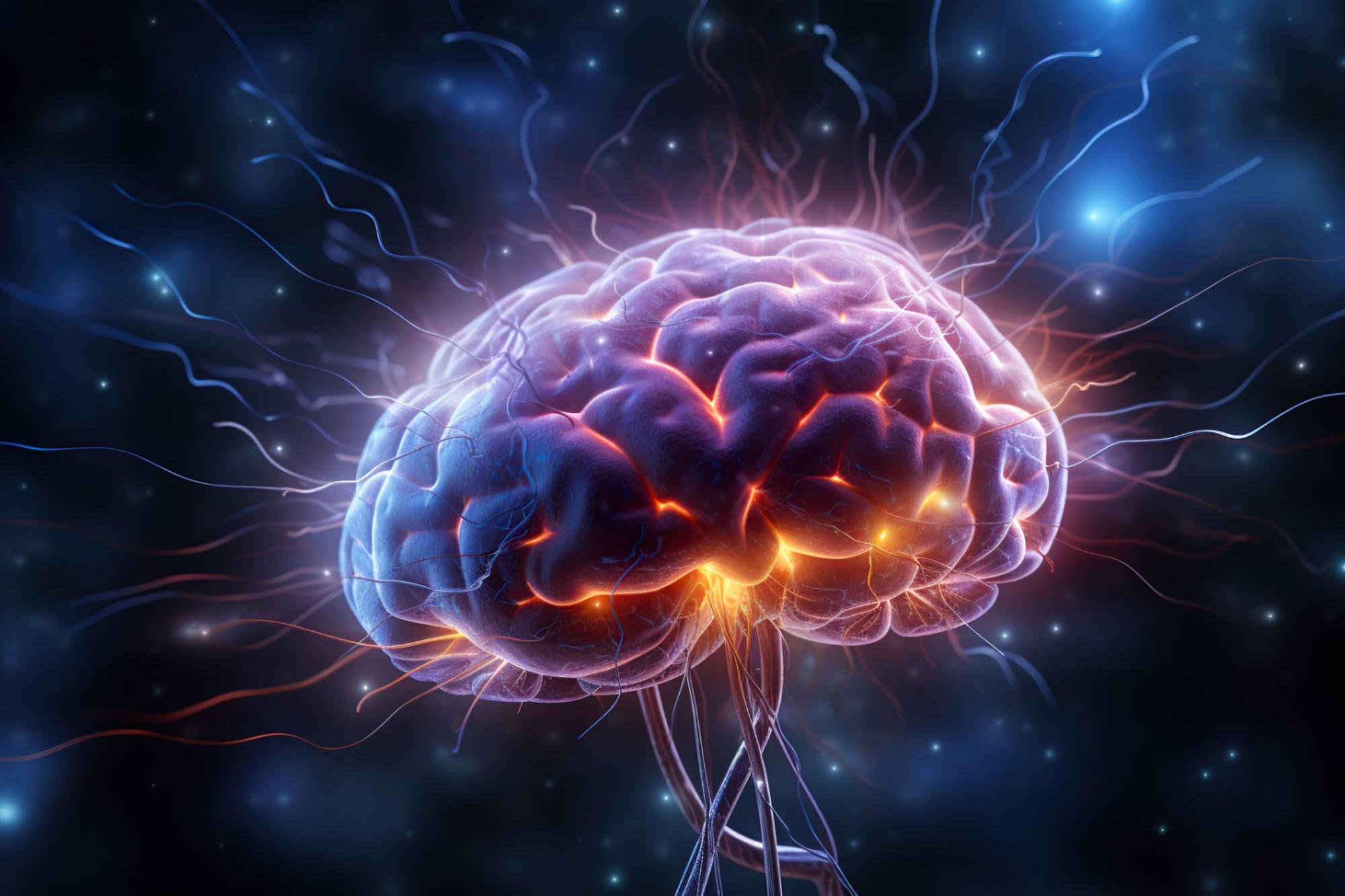
Seizure and Epilepsy
A seizure is a sudden, uncontrolled burst of electrical activity in the brain that can cause temporary changes in movement, behavior, sensation, or awareness.
About Seizure
A seizure is a sudden, uncontrolled burst of electrical activity in the brain that can cause temporary changes in movement, behavior, sensation, or awareness. Seizures are a symptom of an underlying issue and not a disease in themselves. While some seizures are isolated events triggered by specific causes, others may be part of a chronic condition like epilepsy.
Seizures can affect people of all ages and may vary widely in intensity and duration. Not everyone who experiences a seizure has epilepsy, and a single seizure does not necessarily mean a person will develop the condition.
Types of Seizures
Seizures are classified based on how and where they begin in the brain. Focal seizures, also known as partial seizures, start in one specific area of the brain and may cause symptoms such as muscle twitching, sensory changes, or confusion. Generalized seizures involve both sides of the brain from the outset and can include tonic-clonic seizures (formerly called grand mal), absence seizures (brief lapses in awareness), and myoclonic seizures (sudden jerks).
Some seizures have an unknown onset, especially if they occur during sleep or are not witnessed. Febrile seizures are a distinct type that occur in young children during high fever. A particularly dangerous form is status epilepticus, which refers to a seizure lasting more than five minutes or a series of seizures without recovery in between. This is a medical emergency requiring immediate intervention.
Causes and Risk Factors
Seizures can be triggered by a wide range of factors. Common causes include high fever, especially in children, head trauma or brain injury, stroke, brain infections such as meningitis or encephalitis; genetic or developmental disorders; metabolic imbalances like low blood sugar or abnormal sodium levels, alcohol or drug withdrawal; and sleep deprivation.
In some cases, seizures may be provoked by flashing lights, stress, or hormonal changes. Identifying the underlying cause is essential for effective treatment and prevention.
Management and Treatment
Treatment depends on the type of seizure and its underlying cause. For individuals with recurrent seizures or epilepsy, antiseizure medications are typically prescribed to help stabilize brain activity and prevent future episodes. In emergency situations, medications such as benzodiazepines may be used to stop prolonged seizures.
Wearable seizure detection devices are increasingly recommended for people with generalized tonic-clonic seizures, as they can alert caregivers and improve safety. Lifestyle modifications, such as getting adequate sleep, managing stress, and avoiding known triggers, can also play a crucial role in seizure control.
Diagnosis often involves an electroencephalogram (EEG) to measure brain activity, along with imaging tests like MRI or CT scans and blood work to identify metabolic or infectious causes.
About Epilepsy
- Epilepsy is a chronic noncommunicable disease of the brain that affects people of all ages.
- Around 50 million people worldwide have epilepsy, making it one of the most common neurological diseases globally.
- Nearly 80% of people with epilepsy live in low- and middle-income countries.
- It is estimated that up to 70% of people living with epilepsy could live seizure-free if properly diagnosed and treated.
- The risk of premature death in people with epilepsy is up to three times higher than for the general population.
- Three quarters of people with epilepsy living in low-income countries do not get the treatment they need.
- In many parts of the world, people with epilepsy and their families suffer from stigma and discrimination.
Overview
Epilepsy is a chronic, noncommunicable disease of the brain that affects around 50 million people worldwide. It is characterized by recurrent seizures, which are brief episodes of involuntary movement that may involve a part of the body (partial) or the entire body (generalized) and are sometimes accompanied by loss of consciousness and control of bowel or bladder function.
Seizure episodes are a result of excessive electrical discharges in a group of brain cells. Different parts of the brain can be the site of such discharges. Seizures can vary from the briefest lapses of attention or muscle jerks to severe and prolonged convulsions. Seizures can also vary in frequency, from less than one per year to several per day.
One seizure does not signify epilepsy (up to 10% of people worldwide have one seizure during their lifetime). Epilepsy is defined as having two or more unprovoked seizures. Epilepsy is one of the world’s oldest recognized conditions, with written records dating back to 4000 BCE. Fear, misunderstanding, discrimination and social stigma have surrounded epilepsy for centuries. This stigma continues in many countries today and can impact on the quality of life for people with the disease and their families.
Signs and symptoms
Characteristics of seizures vary and depend on where in the brain the disturbance first starts, and how far it spreads. Temporary symptoms occur, such as loss of awareness or consciousness, and disturbances of movement, sensation (including vision, hearing and taste), mood, or other cognitive functions.
People with epilepsy tend to have more physical problems (such as fractures and bruising from injuries related to seizures), as well as higher rates of psychological conditions, including anxiety and depression. Similarly, the risk of premature death in people with epilepsy is up to three times higher than in the general population, with the highest rates of premature mortality found in low-income and middle-income countries and in rural areas.
A great proportion of the causes of death related to epilepsy, especially in low-income and middle-income countries, are potentially preventable, such as falls, drowning, burns and, prolonged seizures.
Rates of Disease
Epilepsy accounts for a significant proportion of the world’s disease burden, affecting around 50 million people worldwide. The estimated proportion of the general population with active epilepsy (i.e. continuing seizures or with the need for treatment) at a given time is between 4 and 10 per 1000 people.
Types of Epilepsy
Epilepsy is not a single disease but a spectrum of disorders with different causes, seizure types, and treatment needs. The main categories include:
- Idiopathic epilepsy: Often genetic or of unknown origin, with no identifiable brain abnormality.
- Symptomatic (secondary) epilepsy: Caused by structural or metabolic conditions such as brain injury, stroke, infection, or tumors.
- Focal epilepsy: Seizures originate in a specific part of the brain.
- Generalized epilepsy: Seizures involve both hemispheres of the brain from the start.
- Epilepsy syndromes: Defined by specific patterns of seizures, age of onset, EEG findings, and genetic markers (e.g., Dravet syndrome, Lennox-Gastaut syndrome).
Risk Factors
Several factors may increase the risk of developing epilepsy:
- Family history of epilepsy
- Brain trauma or injury
- Stroke or vascular disease
- Central nervous system infections (e.g., meningitis)
- Neurodevelopmental disorders
- Prenatal or perinatal complications
- Aging, and neurodegeneration
Treatment
Seizures can be controlled. Up to 70% of people living with epilepsy could become seizure-free with appropriate use of antiseizure medicines. Discontinuing antiseizure medicine can be considered after 2 years without seizures and should take into account relevant clinical, social and personal factors. A documented etiology of the seizure and an abnormal electroencephalography (EEG) pattern are the two most consistent predictors of seizure recurrence.
Prevention
An estimated 25% of epilepsy cases are potentially preventable.
- Preventing head injury, for example by reducing falls, traffic accidents and sports injuries, is the most effective way to prevent post-traumatic epilepsy.
- Adequate perinatal care can reduce new cases of epilepsy caused by birth injury.
- The use of drugs and other methods to lower the body temperature of a feverish child can reduce the chance of febrile seizures.
- The prevention of epilepsy associated with stroke is focused on cardiovascular risk factor reduction, e.g. measures to prevent or control high blood pressure, diabetes and obesity, and the avoidance of tobacco and excessive alcohol use.
- Central nervous system infections are common causes of epilepsy in tropical areas, where many low-income and middle-income countries are concentrated. Elimination of parasites in these environments and education on how to avoid infections can be effective ways to reduce epilepsy worldwide, for example those cases due to neurocysticercosis.
References
World Health Organization. Epilepsy: A Public Health Imperative. Geneva: World Health Organization, 2019. https://www.who.int/publications/i/item/epilepsy-a-public-health-imperative
International League Against Epilepsy. Global Epilepsy Report 2019. Geneva: World Health Organization, 2019. https://www.ilae.org/about-ilae/policy-and-advocacy/international-public-policy-activities/global-epilepsy-report-2019
Institute for Health Metrics and Evaluation. “Global, Regional, and National Burden of Epilepsy, 1990–2021.” The Lancet Public Health, 2025. https://www.healthdata.org/research-analysis/library/global-regional-and-national-burden-epilepsy-1990-2021
Xue, Jing, Xiaoyan Li, Yujie Zhao, et al. “Global, Regional, and National Burden of Idiopathic Epilepsy in Older Adults, 1990–2021: A Systematic Analysis for the Global Burden of Disease Study 2021.” BMC Medicine 23 (2025): Article 443. https://bmcmedicine.biomedcentral.com/articles/10.1186/s12916-025-04268-8
Chen, Zhibin, Martin J. Brodie, Ding Ding, and Patrick Kwan. “Editorial: Epidemiology of Epilepsy and Seizures.” Frontiers in Epidemiology 3 (2023): Article 1273163. https://www.frontiersin.org/journals/epidemiology/articles/10.3389/fepid.2023.1273163/full
World Health Organization. “Epilepsy and Seizures: Evidence-Based Recommendations.” Mental Health Gap Action Programme (mhGAP). https://www.who.int/teams/mental-health-and-substance-use/treatment-care/mental-health-gap-action-programme/evidence-centre/epilepsy-and-seizures